The Future of Healthcare with Virtual Medical Consultations

The healthcare industry has transformed dramatically over the past few years, and one of the most innovative developments is the rise of virtual medical consultations. Once considered a niche option, virtual consultations are now a mainstream solution for patients seeking convenient, efficient, and accessible healthcare services. With the power of technology, individuals can now connect with healthcare professionals from the comfort of their homes—making medical care faster, safer, and more personalized than ever before.

Virtual medical consultations have changed the way people approach healthcare, offering flexibility, reduced waiting times, and greater accessibility for those who may struggle to attend in-person appointments. This digital shift not only benefits patients but also empowers healthcare providers to deliver better services through advanced communication tools and digital health platforms.

virtual medical consultations

Understanding Virtual Medical Consultations

A virtual medical consultation, also known as a telehealth or online medical consultation, is an appointment between a patient and a healthcare provider conducted through digital communication tools such as video calls, chat, or phone. These consultations allow doctors to assess symptoms, provide diagnoses, recommend treatments, and even prescribe medications—all remotely.

This method bridges the gap between patients and healthcare professionals, especially for those in remote areas or individuals with mobility challenges. With reliable internet access and a digital device, anyone can receive medical care without traveling to a clinic or hospital.

The Growing Popularity of Virtual Healthcare

The convenience and flexibility of virtual medical consultations have made them an integral part of modern healthcare systems. Patients appreciate the ability to seek medical advice without long commutes, crowded waiting rooms, or scheduling conflicts. For healthcare providers, virtual consultations improve efficiency by reducing no-show rates and optimizing time management.

Moreover, recent global health challenges have accelerated the adoption of telehealth. Both patients and practitioners have discovered that virtual consultations can deliver quality care comparable to in-person visits for many conditions. As technology continues to evolve, this form of healthcare delivery is expected to become even more seamless and effective.

Benefits of Virtual Medical Consultations

Virtual consultations offer numerous advantages that make them a preferred choice for both patients and healthcare professionals.

  1. Convenience and Accessibility
  2. Patients can schedule appointments at their convenience without worrying about travel or long waiting times. This is particularly beneficial for individuals with chronic illnesses, elderly patients, or those living far from healthcare facilities.
  3. Time and Cost Efficiency
  4. Virtual appointments save time and reduce expenses associated with transportation, parking, and taking time off work. Healthcare providers also benefit from lower overhead costs related to maintaining physical offices.
  5. Continuity of Care
  6. Virtual consultations ensure consistent follow-ups and better monitoring of patients’ progress. Doctors can review medical histories, update prescriptions, and check recovery without requiring in-person visits.
  7. Privacy and Comfort
  8. Many patients find it easier to discuss sensitive health concerns from the comfort of their homes. This level of privacy encourages honest communication and can lead to more accurate diagnoses.
  9. Expanded Reach for Healthcare Providers
  10. Virtual platforms allow medical professionals to extend their services beyond geographical boundaries, helping patients in underserved or rural areas gain access to quality healthcare.
  11. Reduced Risk of Infection
  12. By minimizing physical contact, virtual consultations help prevent the spread of contagious illnesses. This approach ensures patient and provider safety, especially during outbreaks or seasonal health threats.

How Virtual Medical Consultations Work

The process of scheduling and attending a virtual medical consultation is straightforward and user-friendly.

  1. Booking the Appointment
  2. Patients usually book appointments through an online portal or application, selecting their preferred date and time. Some platforms also allow users to choose specialists based on their medical needs.
  3. Preparing for the Consultation
  4. Before the session, patients should ensure a stable internet connection, a quiet environment, and any necessary medical documents or test results.
  5. Conducting the Consultation
  6. During the virtual session, the doctor discusses the patient’s symptoms, medical history, and concerns. In many cases, visual examinations through video can help in assessing physical signs.
  7. Diagnosis and Prescription
  8. After evaluation, the healthcare provider offers a diagnosis and treatment plan. When necessary, digital prescriptions can be issued for medications or lab tests.
  9. Follow-Up and Monitoring
  10. Patients may schedule follow-up consultations to monitor progress or adjust treatment plans. Virtual platforms often include secure messaging systems for quick updates and questions between visits.

Conditions Suitable for Virtual Consultations

While not every medical condition can be managed virtually, many common health issues are easily addressed through online consultations. Examples include:

  • Cold, flu, and allergy symptoms
  • Skin conditions like rashes or acne
  • Digestive issues and minor infections
  • Mental health support and counseling
  • Medication refills and chronic disease management
  • Preventive care and wellness advice

For more serious or emergency conditions, in-person visits remain essential. However, virtual consultations can still serve as an initial assessment tool, helping patients determine whether urgent care is needed.

Challenges and Limitations

Despite the many advantages, virtual medical consultations come with certain challenges. Limited physical examination capabilities can make diagnosing complex conditions difficult. Technology barriers, such as poor internet access or a lack of digital literacy, may also affect some patients.

Additionally, maintaining data privacy and security is crucial. Healthcare providers must use secure platforms that comply with medical confidentiality standards to protect patient information.

Nonetheless, continuous advancements in digital health technologies are addressing these issues, making virtual consultations more reliable and inclusive over time.

The Future of Virtual Healthcare

The future of healthcare is undoubtedly digital. Virtual medical consultations are expected to evolve with the integration of artificial intelligence, wearable health devices, and real-time data monitoring. These innovations will enhance diagnostic accuracy, streamline patient management, and create a more proactive healthcare model.

As patients grow more comfortable with telehealth, the demand for virtual care will continue to expand. Healthcare systems worldwide are adapting to this change by blending in-person and digital care to create a more flexible and patient-centered experience.

Embracing a Smarter Way to Receive Care

Virtual medical consultations represent a major step forward in making healthcare more accessible, efficient, and personalized. They empower patients to take control of their health while offering medical professionals new ways to deliver care effectively.

With technology continually improving and healthcare needs becoming more diverse, virtual consultations are not just a temporary trend—they are a lasting solution for modern health management. Embracing this innovation means embracing a healthier, more connected future for everyone.
The Cost-Benefit of Early Foundation Repair Versus Full Replacement

A solid foundation is the backbone of any property. It supports the structure, ensures stability, and protects the integrity of the building over time. When foundation issues arise, property owners often face a critical decision: invest in early repair or wait until a full foundation replacement becomes necessary. Understanding the cost-benefit dynamics of these options is essential for making an informed choice that safeguards both the property and long-term finances.

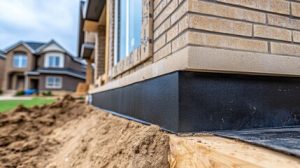
Foundation problems can manifest in various ways, from visible cracks in walls or floors to uneven flooring and doors that stick or fail to close properly. While some issues may seem minor at first, they can escalate quickly if left unaddressed. Early intervention often prevents more severe damage, while delaying Foundation Repair Murfreesboro TN can lead to costly and extensive replacement work. Evaluating the costs, benefits, and potential risks associated with both strategies provides clarity for property owners facing foundation challenges.

foundation repair

Understanding Early Foundation Repair

Early foundation repair typically addresses minor to moderate structural issues before they compromise the entire building. Repairs may include stabilizing settling areas, reinforcing structural elements, filling minor cracks, or addressing soil-related issues that affect foundation stability.

The primary goal of early repair is to correct problems while they are manageable and prevent further deterioration. By addressing issues promptly, property owners can maintain the integrity of the structure and avoid the escalating costs associated with larger-scale replacement projects.

Benefits of Early Foundation Repair

Investing in early foundation repair offers several advantages that go beyond immediate cost savings. Key benefits include:

  1. Lower Overall Costs – Early repairs often involve targeted solutions that require less labor, fewer materials, and minimal disruption to the property. Compared to a full replacement, this approach can reduce costs significantly.
  2. Preservation of Property Value – Addressing foundation issues promptly ensures that the property maintains its market value. Unresolved damage can diminish resale potential and make the property less attractive to buyers.
  3. Minimized Disruption – Repair work is typically faster and less invasive than full replacement, reducing downtime and inconvenience for occupants.
  4. Prevention of Secondary Damage – Early repairs prevent structural issues from causing additional problems, such as wall cracking, water intrusion, or uneven flooring.

By focusing on stabilization and repair before severe deterioration occurs, property owners protect both the structure and their investment.

The Risks of Delaying Foundation Repairs

Ignoring early warning signs can be tempting, especially if the issues seem minor or sporadic. However, delaying repairs can result in:

  1. Escalating Damage – Small cracks can widen, settling areas can shift further, and soil-related problems can worsen, eventually requiring full-scale replacement.
  2. Increased Costs – Delayed repairs often lead to more extensive structural damage, driving up labor, materials, and equipment costs significantly.
  3. Safety Concerns – As the foundation deteriorates, structural stability may be compromised, posing risks to occupants and potentially leading to code violations or insurance complications.
  4. Reduced Property Value – Homes or buildings with visible foundation problems can lose market value and may require full disclosure during a sale.

For these reasons, proactive maintenance and timely repair are often the most financially prudent choices for property owners.

Full Foundation Replacement: When Is It Necessary?

While early repair is ideal, some situations may require full foundation replacement. This approach is typically reserved for severe structural damage that cannot be corrected through localized repair methods. Common indicators that full replacement may be necessary include:

  1. Widespread or deep cracks in walls, floors, or the foundation itself
  2. Extensive settling or tilting that compromises structural integrity
  3. Damage caused by water intrusion or soil erosion that cannot be stabilized
  4. Repeated repairs that fail to provide lasting results

Full replacement is a major undertaking that involves removing the existing foundation, addressing soil or structural issues, and installing a new foundation system. Although it restores structural integrity, it is significantly more expensive and time-consuming than early repair.

Comparing Costs: Repair vs. Replacement

One of the most critical considerations in foundation decision-making is cost. While costs vary based on property size, foundation type, and severity of damage, general trends indicate the following:

  1. Early Foundation Repair Costs – Minor repairs typically involve reinforcing settling areas, installing piers or underpinning, or filling small cracks. These projects may range from a few thousand dollars to tens of thousands, depending on complexity.
  2. Full Replacement Costs – Complete foundation replacement involves excavation, removal of the old foundation, extensive material and labor requirements, and possible modifications to the structure itself. Costs often escalate to several times that of a localized repair, potentially exceeding tens of thousands of dollars.

From a financial perspective, early repair generally offers significant cost savings. Beyond the immediate monetary benefits, early intervention reduces the risk of future damage that could further inflate expenses.

Time Considerations

Time is another factor influencing the cost-benefit analysis. Early repairs are typically completed faster than full replacement, minimizing disruption to property use. A full replacement may require temporary relocation for occupants, extended construction periods, and coordination of multiple trades.

Additionally, faster repair timelines reduce the window during which additional structural damage could occur. In commercial or industrial properties, minimizing downtime is critical to maintaining operations and avoiding financial losses associated with halted production or service interruptions.

Long-Term Property Value Implications

Investing in foundation repair or replacement has long-term implications for property value. Addressing issues early helps maintain structural integrity, ensuring that the property remains attractive to potential buyers. Conversely, delaying repairs may result in a property requiring more extensive work to restore structural stability, which can decrease marketability and resale value.

Furthermore, well-documented repair or replacement work demonstrates responsible property management, which is attractive to buyers and appraisers. Timely intervention signals that the property has been maintained, potentially resulting in higher appraisal values and easier financing if sold.

Secondary Benefits of Early Foundation Repair

In addition to cost savings, early foundation repair can provide other benefits that improve overall property management and longevity.

  1. Energy Efficiency – Stabilized foundations can help maintain proper insulation and airflow, reducing energy loss through gaps or cracks in floors and walls.
  2. Water Management – Early repair often addresses drainage or soil stability issues, preventing water intrusion that could damage interior finishes and landscaping.
  3. Structural Longevity – Preventing further settling or shifting ensures that the entire building remains structurally sound for decades.
  4. Reduced Insurance Concerns – Some insurers may consider well-maintained foundations a factor in premium determination, whereas properties with unresolved structural issues may face higher rates or denied claims.

These secondary benefits reinforce the financial and practical advantages of proactive maintenance.

Factors Influencing the Decision

While early repair is generally advantageous, property owners should evaluate several factors before deciding:

  1. Extent of Damage – Assess whether the issue is localized or widespread. Small cracks and minor settling may be ideal candidates for repair, while extensive structural compromise may necessitate replacement.
  2. Age of the Property – Older structures may have underlying weaknesses that make full replacement more practical in some cases.
  3. Soil Conditions – Properties with expansive clay, loose fill, or high moisture content may require more intensive intervention to prevent recurring issues.
  4. Budget and Timeline – Property owners must weigh immediate costs against potential long-term savings and consider how construction will impact daily use.

Consulting with professional foundation specialists ensures that the chosen solution aligns with both current needs and future property stability.

Making the Right Choice

The decision between early foundation repair and full replacement requires careful evaluation of costs, benefits, and potential risks. Early repair offers significant advantages, including lower costs, minimized disruption, prevention of secondary damage, and long-term property value protection. Waiting for problems to escalate into a need for full replacement can result in substantially higher costs, extended construction timelines, and additional stress for property owners.

Ultimately, proactive management is key. Identifying foundation issues early, assessing the underlying causes, and implementing targeted repair strategies ensures that the property remains stable, functional, and safe. Property owners who prioritize timely intervention not only safeguard their investment but also avoid the significant financial and operational burdens associated with full foundation replacement.

A well-maintained foundation is more than just a structural component—it is the foundation of peace of mind, financial security, and long-term property performance. By understanding the cost-benefit dynamics, property owners can make informed decisions that protect both their structures and their bottom line.

The Importance of Proper Commercial Electrical Installation

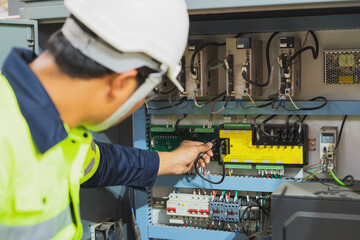
Electrical Installation

Commercial electrical systems are complex compared to residential systems, requiring higher power capacities, specialized equipment and stricter codes and standards. Working with licensed professionals ensures your business’s electrical system is safe, efficient and up to code.

Commercial Electrical Installation work often includes the use of electrical raceways like conduit, cable tray and duct systems to protect wiring from damage. It also involves installing distribution panels, lighting and outlets, and connecting specialized systems.

Installation

The installation of commercial electrical services is a crucial process that transforms designs into functioning systems. It requires a high level of skill, expertise, and strict adherence to safety protocols. Incorrect installation can lead to costly mistakes and downtime, making it critical to hire a professional for the job.

When hiring a commercial electrician, be sure to compare rates and get an estimate for the entire project. Many factors impact the cost of an electrical installation, including the size and layout of the building, wiring requirements, electrical load calculations, and any specialized systems needed. A licensed commercial electrician will be able to provide an accurate estimate based on their experience and local market conditions.

Commercial buildings require a higher level of planning and design than residential structures. This includes identifying power needs, creating a wiring layout, and ensuring all equipment meets code. It also involves incorporating energy-efficient practices and sustainable solutions into the design, such as lighting and power distribution systems that reduce waste and increase efficiency.

It is important to work with a commercial electrical contractor that is licensed and insured. This will protect you in the event of any damage or accidents during the installation process. Also, make sure to check online reviews before choosing a company. These reviews can give you an idea of the quality of work, customer service, and overall satisfaction that a company provides.

Electrical load calculations are a key part of commercial electrical installation, as they determine how much power the system can handle. The calculations consider the expected demand of various equipment and appliances, as well as any future expansion needs. It is vital to choose a commercial electrical contractor who can perform these calculations accurately and safely.

Other aspects of commercial electrical installation include determining the right size and placement for wiring, identifying circuit breakers and other safety devices, installing lighting and power receptacles, and implementing back-up and emergency power solutions like generators. Electrical contractors will also implement specialized wiring techniques, such as using tubing-like conduits for more durable protection and avoiding plastic sheathing on thin wires.

Upgrades

Whether you need to accommodate new equipment, improve energy efficiency, or support emerging technologies, upgrading commercial electrical systems helps your business achieve long-term success. Proper upgrades ensure safety and compliance, reduce energy consumption, and minimize costly maintenance and repair costs. By partnering with qualified electricians, you can make the best decisions for your commercial space, protecting equipment and staff in the process.

Outdated panels, wiring, and breakers present a significant safety risk. Worn insulation and outdated components can cause fires, shocks, and other dangerous issues. Upgrading to modern panels and wiring lowers the risk of hazardous conditions and allows for safe expansion as your business grows.

Upgrading to energy-efficient solutions, such as LED lighting, smart power distribution, and advanced metering, cuts electricity usage significantly. These improvements lead to lower utility bills and a reduced carbon footprint, making them a great way to save money while improving the environment.

As the modern workplace becomes increasingly dependent on technology, reliable power is a must. Upgrades that improve power quality, such as installing surge protectors and power conditioning equipment, keep sensitive equipment from malfunctioning or shutting down during voltage fluctuations. This means fewer disruptions to operations and higher productivity levels.

Electrical upgrades can also help businesses meet evolving building codes and regulations. Whether it’s updating wiring insulation, changing circuit configurations, or adding ground fault protection, these changes protect employees and equipment from code violations and other hazards.

In addition, older electrical systems consume more power than their modern counterparts, leading to high electricity bills. Upgrading to efficient systems and power-saving lighting lowers operating costs, while better reliability cuts down on expensive outage and maintenance expenses.

As a bonus, upgraded systems are more attractive to prospective tenants and investors. Upgrading your commercial infrastructure improves energy efficiency and supports growing technological demands, which can boost your property’s value in the long run.

Repairs

Failing electrical systems are a significant fire risk and disrupt business operations, but commercial electricians can resolve these issues to improve building safety and efficiency. Performing regular inspections, timely repairs, and strategic upgrades help prevent costly disruptions to operations and enhance occupant safety and comfort.

Common issues with aging electrical systems include overloaded circuits, frequently tripping breakers, and faulty outlets or switches. Signs of these problems, which also include burning smells and hot electrical panels, indicate the need for professional commercial electrical services.

A consistent power supply is essential for businesses, but frequent power outages and voltage fluctuations can affect productivity and damage equipment. Commercial electricians can solve these problems by upgrading the electrical panel or installing voltage regulators.

Often, outdated or damaged wiring is the root cause of these issues. Commercial electricians can replace this outdated wiring with more modern options that meet current standards and minimize the risk of fires.

New York City’s high-rise challenges, complex power distribution systems, and aging infrastructure pose unique working conditions for commercial electricians. These factors complicate maintenance tasks and may require specialized knowledge to ensure compliance with local codes.

Faulty wiring is a significant issue in NYC buildings, and it can lead to fire hazards and equipment failure. This problem is commonly identified by flickering lights, frequent circuit breaker trips, and unexplained electrical shocks when plugging in devices. A commercial electrician can perform a thorough inspection of the property’s electrical system and recommend wiring upgrades that are compliant with safety standards.

New energy efficiency requirements are driving many facilities to make significant investments in lighting retrofits and other energy-saving solutions. Commercial electricians can implement these upgrades to reduce energy consumption and improve light quality and brightness. They can also install specialized controls to enable occupants to adjust lighting and temperature settings for greater control and efficiency. In addition, these professionals can coordinate and track the performance of these energy-saving systems to verify compliance with local sustainability requirements.

Maintenance

Electrical systems are crucial for a business’s operations and safety. Maintaining these systems keeps them functioning properly and optimises performance for years to come. Whether it’s a new commercial construction project or an existing building with aging infrastructure, qualified commercial electricians can address all your electrical needs.

Electrical Work on New Construction Sites

The building of a commercial structure involves many trades, but it’s the work of a skilled electrical contractor that sets the tone for all the rest of the building’s components. Setting up electrical systems from scratch in a new building requires careful planning and coordination. It starts in the design phase, when electrical engineers and contractors like RSVC collaborate to create detailed plans that ensure all system components meet specific requirements and compliance standards.

Once the walls are up and windows installed, electrical installation is one of the last tasks to complete. This involves laying the infrastructure for power usage throughout the building, including wiring, lighting, and specialized systems. It also includes installing the necessary equipment for backup and emergency power solutions, such as generators. It’s important to get these systems in place before the concrete slabs are poured, which necessitates coordination with structural teams to insert conduit pathways through the building’s foundation.

In addition to installing the necessary electrical components, commercial installation services also include coordinating with other trades to integrate all of the building’s components. This can involve working with drywall and framing specialists to run wires behind walls, or partnering with plumbing experts to install the necessary plumbing in ceiling cavities.

Commercial maintenance services keep your building running as smoothly as possible. Regular inspections identify and repair hazards before they cause damage or injuries. This prevents unexpected outages that disrupt your business and supports uninterrupted operations and employee productivity. It also helps you comply with OSHA regulations and safety standards and fosters a safe environment for customers and employees.

Performing routine inspections can also help your business stay on track for energy efficiency. For example, identifying and repairing leaky connections can reduce wasted electricity and cut your utility costs. Moreover, routine cleaning of panels and breakers can prevent dust buildup and other factors that contribute to unsafe conditions. In the case of aging systems, a thorough assessment can help you plan for upgrades that improve load management and support future growth.

What Questions to Ask Before Hiring a Handyman

Finding the right handyman can feel like searching for a needle in a haystack. Whether you need help with a leaky faucet, a squeaky door, or a complete bathroom renovation, asking the right questions upfront can save you time, money, and considerable frustration down the road. The difference between a successful home repair and a disaster often comes down to the questions you ask before signing any agreement or handing over a deposit. Visit https://jrcsi.com/ to learn more.

What Experience Do You Have With This Type of Work?

handyman

Not all handymen possess the same skill sets or expertise. Some excel at carpentry work while others specialize in electrical repairs or plumbing tasks. Before committing to hire someone, you need to understand whether they have relevant experience with your specific project. A handyman who regularly installs ceiling fans might not be the best choice for repairing a cracked foundation, even if they claim they can handle it.

Ask about similar projects they have completed recently. Request details about the scope of those projects and any challenges they encountered along the way. A qualified professional should be able to discuss their experience confidently and provide specific examples without hesitation. If they seem vague or uncomfortable discussing their background, that could signal a lack of genuine experience in the area you need help with.

You should also inquire about how long they have been working in the trade overall. While newer handymen can certainly be skilled and competent, someone with decades of experience has likely encountered a wider variety of problems and developed effective solutions through trial and error. Experience often translates to efficiency and better problem-solving abilities when unexpected issues arise during your project.

Are You Licensed and Insured?

This question ranks among the most critical ones you can ask. Licensing requirements vary significantly depending on where you live and the type of work being performed. Some regions require handymen to hold specific licenses for certain tasks, particularly electrical work, plumbing, or HVAC repairs. Understanding the local regulations and ensuring your potential hire complies with them protects you from legal complications and ensures the work meets local building codes.

Insurance coverage is equally important. A reputable handyman should carry both liability insurance and workers compensation coverage. Liability insurance protects your property in case something goes wrong during the repair or installation. If a handyman accidentally damages your hardwood floors while moving equipment or causes a water leak that ruins your ceiling, their insurance should cover those damages.

Workers compensation coverage protects you from liability if the handyman or any of their employees gets injured while working on your property. Without this coverage, you could potentially be held responsible for medical bills and lost wages if an accident occurs. Always ask to see current proof of insurance and verify the coverage amounts are adequate for your project.

Can You Provide References From Recent Customers?

Past performance often predicts future results. A handyman who consistently delivers quality work should have no problem providing references from satisfied customers. When you receive these references, actually take the time to contact them. Many people skip this step, but speaking with previous clients can reveal valuable insights you would not get any other way.

When calling references, ask specific questions about their experience. Did the handyman arrive on time? Did they complete the work within the estimated timeframe and budget? Was the quality of work satisfactory? How did they handle unexpected problems or changes to the original plan? Would the customer hire them again for future projects? These conversations can help you gauge whether the handyman’s working style and standards align with your expectations.

Pay attention to how readily the handyman provides references. Someone who hesitates, makes excuses, or only offers one or two names might not have a strong track record of customer satisfaction. The best professionals maintain relationships with past clients and take pride in their reputation.

What Is Your Estimated Timeline and Cost?

Before any work begins, you need a clear understanding of both the timeline and the total cost involved. Ask for a detailed written estimate that breaks down labor costs, materials, and any other expenses. This estimate should be as specific as possible, not just a rough ballpark figure scribbled on a scrap of paper.

Discuss the payment schedule as well. Most handymen require some form of deposit, but be wary of anyone demanding full payment upfront. A reasonable payment structure might involve a small deposit to secure your spot on their schedule, a payment upon reaching certain milestones, and a final payment upon satisfactory completion of all work.

The timeline conversation should address when the handyman can start the project and how long they expect it to take from beginning to end. Ask what might cause delays and how they handle scheduling conflicts if they arise. Understanding their availability and commitment level helps you plan accordingly and sets realistic expectations for project completion.

How Do You Handle Problems or Warranty Issues?

Even the most skilled professionals occasionally encounter unexpected problems during a project. The way a handyman addresses these situations speaks volumes about their professionalism and integrity. Ask them to explain their process when they discover an issue that was not apparent during the initial assessment. Will they contact you immediately? Will they provide options for moving forward? How do they handle cost increases that result from unforeseen complications?

Warranty information is another crucial consideration. Does the handyman guarantee their work? For how long? What does that guarantee cover? A professional who stands behind their work typically offers some form of warranty on both labor and materials. This demonstrates confidence in their abilities and provides you with recourse if something goes wrong after the project is complete.

Understanding their approach to customer satisfaction and problem resolution helps you anticipate how they might respond if you are unhappy with any aspect of the completed work. A handyman who becomes defensive or dismissive when discussing warranties and guarantees might not be someone you want to work with.

Final Thoughts

Hiring a handyman requires more than just finding someone available and willing to do the work. By asking these essential questions before making your decision, you protect yourself, your home, and your investment. Take the time to interview multiple candidates, compare their answers, and trust your instincts about who seems most professional and trustworthy.

Remember that the cheapest option is not always the best value, and the most expensive does not guarantee superior quality. Focus on finding someone who communicates clearly, demonstrates relevant experience, carries proper credentials, and shows genuine respect for your property and concerns. The right handyman becomes a valuable resource you can rely on for years to come, handling everything from minor repairs to major improvements with skill and professionalism. Making an informed choice now saves you from costly mistakes and disappointing results later.

Navigation

Curacao’s close off welds SSL encryption, guarding your own stash coming from typically the shadows. - uptown pokies

Non dovete neppure aprire account a nasce o scaricare app il quale occuperebbero solamente lasso. - winspark 5 euro gratis

Загрузка мобильного софта совершается через официальный сайт клуба или по ссылкам, предоставленных партнёрами. - mostbet как пройти идентификацию

They actually add lower-tier esports tournaments at night, which I love. - mostbet

- 1win bet

Avvengono pochi i siti il quale riescono a replicare la qualità dei prodotti offerti da StarCasinò. - starcasino

Troviamo infatti Bingone, abbinata ai premi più alti, seguita da Diamante90, Zaffiro75, Rubino90 e Italia30. - bigcasinoit.com/app

Esse conjunto de recomendações responsable operating-system direitos e deveres 2 apostadores. - ocorreu um erro

Ofrece juegos de casino de 50 desarrolladores de juegos. - celuapuestas online

Qualquer dúvida é só visitar a squadra que você será atendido prontamente. - pagbet baixar app

Далее заполнить ее, отправить и в конце подтвердить регистрацию. - пин ап

- sky247 sign

- jeetbuzz download

A Betano é generosa e proporciona a você 100% carry out valor depositado, até o limite de R$500. - jogo abandonado betano

Obsługa wydaje się dostępna na polsku, co stanowi dodatkowy plus kasyna. - energy casino takich jak

O consumidor poderá arriesgar ou se tornar solicitado a corrigir as informações especificadas. - major sport

Essa é alguma seção destinada a jogos rápidos, como Spaceman; Zeppelin; Aviator; Jetx e Rocketman. - essas promoções

ELK Studios presenta una grossa gamma vittoria slot emozionanti, con motivi unici e bonus innovativi. - fastbet

Le sezione delle slot machine è molto ampia, è probabile trovarne quasi 200 scelta varie. - puntoscommesse

Fortunately, Crickex provides a “forgot password” option upon the website. - crickex india

Solana may end up being bought about thus referred to as crypto exchanges. - bitcoin wallet Bitcoin (BTC) will be the planet's first cryptocurrency. -