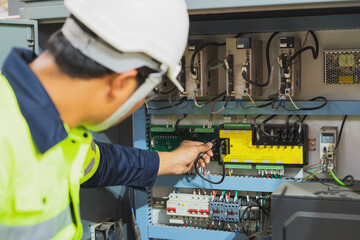
Commercial electrical systems are complex compared to residential systems, requiring higher power capacities, specialized equipment and stricter codes and standards. Working with licensed professionals ensures your business’s electrical system is safe, efficient and up to code.
Commercial Electrical Installation work often includes the use of electrical raceways like conduit, cable tray and duct systems to protect wiring from damage. It also involves installing distribution panels, lighting and outlets, and connecting specialized systems.
Installation
The installation of commercial electrical services is a crucial process that transforms designs into functioning systems. It requires a high level of skill, expertise, and strict adherence to safety protocols. Incorrect installation can lead to costly mistakes and downtime, making it critical to hire a professional for the job.
When hiring a commercial electrician, be sure to compare rates and get an estimate for the entire project. Many factors impact the cost of an electrical installation, including the size and layout of the building, wiring requirements, electrical load calculations, and any specialized systems needed. A licensed commercial electrician will be able to provide an accurate estimate based on their experience and local market conditions.
Commercial buildings require a higher level of planning and design than residential structures. This includes identifying power needs, creating a wiring layout, and ensuring all equipment meets code. It also involves incorporating energy-efficient practices and sustainable solutions into the design, such as lighting and power distribution systems that reduce waste and increase efficiency.
It is important to work with a commercial electrical contractor that is licensed and insured. This will protect you in the event of any damage or accidents during the installation process. Also, make sure to check online reviews before choosing a company. These reviews can give you an idea of the quality of work, customer service, and overall satisfaction that a company provides.
Electrical load calculations are a key part of commercial electrical installation, as they determine how much power the system can handle. The calculations consider the expected demand of various equipment and appliances, as well as any future expansion needs. It is vital to choose a commercial electrical contractor who can perform these calculations accurately and safely.
Other aspects of commercial electrical installation include determining the right size and placement for wiring, identifying circuit breakers and other safety devices, installing lighting and power receptacles, and implementing back-up and emergency power solutions like generators. Electrical contractors will also implement specialized wiring techniques, such as using tubing-like conduits for more durable protection and avoiding plastic sheathing on thin wires.
Upgrades
Whether you need to accommodate new equipment, improve energy efficiency, or support emerging technologies, upgrading commercial electrical systems helps your business achieve long-term success. Proper upgrades ensure safety and compliance, reduce energy consumption, and minimize costly maintenance and repair costs. By partnering with qualified electricians, you can make the best decisions for your commercial space, protecting equipment and staff in the process.
Outdated panels, wiring, and breakers present a significant safety risk. Worn insulation and outdated components can cause fires, shocks, and other dangerous issues. Upgrading to modern panels and wiring lowers the risk of hazardous conditions and allows for safe expansion as your business grows.
Upgrading to energy-efficient solutions, such as LED lighting, smart power distribution, and advanced metering, cuts electricity usage significantly. These improvements lead to lower utility bills and a reduced carbon footprint, making them a great way to save money while improving the environment.
As the modern workplace becomes increasingly dependent on technology, reliable power is a must. Upgrades that improve power quality, such as installing surge protectors and power conditioning equipment, keep sensitive equipment from malfunctioning or shutting down during voltage fluctuations. This means fewer disruptions to operations and higher productivity levels.
Electrical upgrades can also help businesses meet evolving building codes and regulations. Whether it’s updating wiring insulation, changing circuit configurations, or adding ground fault protection, these changes protect employees and equipment from code violations and other hazards.
In addition, older electrical systems consume more power than their modern counterparts, leading to high electricity bills. Upgrading to efficient systems and power-saving lighting lowers operating costs, while better reliability cuts down on expensive outage and maintenance expenses.
As a bonus, upgraded systems are more attractive to prospective tenants and investors. Upgrading your commercial infrastructure improves energy efficiency and supports growing technological demands, which can boost your property’s value in the long run.
Repairs
Failing electrical systems are a significant fire risk and disrupt business operations, but commercial electricians can resolve these issues to improve building safety and efficiency. Performing regular inspections, timely repairs, and strategic upgrades help prevent costly disruptions to operations and enhance occupant safety and comfort.
Common issues with aging electrical systems include overloaded circuits, frequently tripping breakers, and faulty outlets or switches. Signs of these problems, which also include burning smells and hot electrical panels, indicate the need for professional commercial electrical services.
A consistent power supply is essential for businesses, but frequent power outages and voltage fluctuations can affect productivity and damage equipment. Commercial electricians can solve these problems by upgrading the electrical panel or installing voltage regulators.
Often, outdated or damaged wiring is the root cause of these issues. Commercial electricians can replace this outdated wiring with more modern options that meet current standards and minimize the risk of fires.
New York City’s high-rise challenges, complex power distribution systems, and aging infrastructure pose unique working conditions for commercial electricians. These factors complicate maintenance tasks and may require specialized knowledge to ensure compliance with local codes.
Faulty wiring is a significant issue in NYC buildings, and it can lead to fire hazards and equipment failure. This problem is commonly identified by flickering lights, frequent circuit breaker trips, and unexplained electrical shocks when plugging in devices. A commercial electrician can perform a thorough inspection of the property’s electrical system and recommend wiring upgrades that are compliant with safety standards.
New energy efficiency requirements are driving many facilities to make significant investments in lighting retrofits and other energy-saving solutions. Commercial electricians can implement these upgrades to reduce energy consumption and improve light quality and brightness. They can also install specialized controls to enable occupants to adjust lighting and temperature settings for greater control and efficiency. In addition, these professionals can coordinate and track the performance of these energy-saving systems to verify compliance with local sustainability requirements.
Maintenance
Electrical systems are crucial for a business’s operations and safety. Maintaining these systems keeps them functioning properly and optimises performance for years to come. Whether it’s a new commercial construction project or an existing building with aging infrastructure, qualified commercial electricians can address all your electrical needs.
Electrical Work on New Construction Sites
The building of a commercial structure involves many trades, but it’s the work of a skilled electrical contractor that sets the tone for all the rest of the building’s components. Setting up electrical systems from scratch in a new building requires careful planning and coordination. It starts in the design phase, when electrical engineers and contractors like RSVC collaborate to create detailed plans that ensure all system components meet specific requirements and compliance standards.
Once the walls are up and windows installed, electrical installation is one of the last tasks to complete. This involves laying the infrastructure for power usage throughout the building, including wiring, lighting, and specialized systems. It also includes installing the necessary equipment for backup and emergency power solutions, such as generators. It’s important to get these systems in place before the concrete slabs are poured, which necessitates coordination with structural teams to insert conduit pathways through the building’s foundation.
In addition to installing the necessary electrical components, commercial installation services also include coordinating with other trades to integrate all of the building’s components. This can involve working with drywall and framing specialists to run wires behind walls, or partnering with plumbing experts to install the necessary plumbing in ceiling cavities.
Commercial maintenance services keep your building running as smoothly as possible. Regular inspections identify and repair hazards before they cause damage or injuries. This prevents unexpected outages that disrupt your business and supports uninterrupted operations and employee productivity. It also helps you comply with OSHA regulations and safety standards and fosters a safe environment for customers and employees.
Performing routine inspections can also help your business stay on track for energy efficiency. For example, identifying and repairing leaky connections can reduce wasted electricity and cut your utility costs. Moreover, routine cleaning of panels and breakers can prevent dust buildup and other factors that contribute to unsafe conditions. In the case of aging systems, a thorough assessment can help you plan for upgrades that improve load management and support future growth.