A solid foundation is the backbone of any property. It supports the structure, ensures stability, and protects the integrity of the building over time. When foundation issues arise, property owners often face a critical decision: invest in early repair or wait until a full foundation replacement becomes necessary. Understanding the cost-benefit dynamics of these options is essential for making an informed choice that safeguards both the property and long-term finances.
Foundation problems can manifest in various ways, from visible cracks in walls or floors to uneven flooring and doors that stick or fail to close properly. While some issues may seem minor at first, they can escalate quickly if left unaddressed. Early intervention often prevents more severe damage, while delaying Foundation Repair Murfreesboro TN can lead to costly and extensive replacement work. Evaluating the costs, benefits, and potential risks associated with both strategies provides clarity for property owners facing foundation challenges.
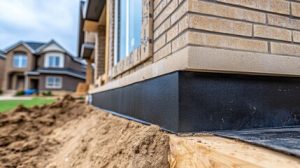
Understanding Early Foundation Repair
Early foundation repair typically addresses minor to moderate structural issues before they compromise the entire building. Repairs may include stabilizing settling areas, reinforcing structural elements, filling minor cracks, or addressing soil-related issues that affect foundation stability.
The primary goal of early repair is to correct problems while they are manageable and prevent further deterioration. By addressing issues promptly, property owners can maintain the integrity of the structure and avoid the escalating costs associated with larger-scale replacement projects.
Benefits of Early Foundation Repair
Investing in early foundation repair offers several advantages that go beyond immediate cost savings. Key benefits include:
- Lower Overall Costs – Early repairs often involve targeted solutions that require less labor, fewer materials, and minimal disruption to the property. Compared to a full replacement, this approach can reduce costs significantly.
- Preservation of Property Value – Addressing foundation issues promptly ensures that the property maintains its market value. Unresolved damage can diminish resale potential and make the property less attractive to buyers.
- Minimized Disruption – Repair work is typically faster and less invasive than full replacement, reducing downtime and inconvenience for occupants.
- Prevention of Secondary Damage – Early repairs prevent structural issues from causing additional problems, such as wall cracking, water intrusion, or uneven flooring.
By focusing on stabilization and repair before severe deterioration occurs, property owners protect both the structure and their investment.
The Risks of Delaying Foundation Repairs
Ignoring early warning signs can be tempting, especially if the issues seem minor or sporadic. However, delaying repairs can result in:
- Escalating Damage – Small cracks can widen, settling areas can shift further, and soil-related problems can worsen, eventually requiring full-scale replacement.
- Increased Costs – Delayed repairs often lead to more extensive structural damage, driving up labor, materials, and equipment costs significantly.
- Safety Concerns – As the foundation deteriorates, structural stability may be compromised, posing risks to occupants and potentially leading to code violations or insurance complications.
- Reduced Property Value – Homes or buildings with visible foundation problems can lose market value and may require full disclosure during a sale.
For these reasons, proactive maintenance and timely repair are often the most financially prudent choices for property owners.
Full Foundation Replacement: When Is It Necessary?
While early repair is ideal, some situations may require full foundation replacement. This approach is typically reserved for severe structural damage that cannot be corrected through localized repair methods. Common indicators that full replacement may be necessary include:
- Widespread or deep cracks in walls, floors, or the foundation itself
- Extensive settling or tilting that compromises structural integrity
- Damage caused by water intrusion or soil erosion that cannot be stabilized
- Repeated repairs that fail to provide lasting results
Full replacement is a major undertaking that involves removing the existing foundation, addressing soil or structural issues, and installing a new foundation system. Although it restores structural integrity, it is significantly more expensive and time-consuming than early repair.
Comparing Costs: Repair vs. Replacement
One of the most critical considerations in foundation decision-making is cost. While costs vary based on property size, foundation type, and severity of damage, general trends indicate the following:
- Early Foundation Repair Costs – Minor repairs typically involve reinforcing settling areas, installing piers or underpinning, or filling small cracks. These projects may range from a few thousand dollars to tens of thousands, depending on complexity.
- Full Replacement Costs – Complete foundation replacement involves excavation, removal of the old foundation, extensive material and labor requirements, and possible modifications to the structure itself. Costs often escalate to several times that of a localized repair, potentially exceeding tens of thousands of dollars.
From a financial perspective, early repair generally offers significant cost savings. Beyond the immediate monetary benefits, early intervention reduces the risk of future damage that could further inflate expenses.
Time Considerations
Time is another factor influencing the cost-benefit analysis. Early repairs are typically completed faster than full replacement, minimizing disruption to property use. A full replacement may require temporary relocation for occupants, extended construction periods, and coordination of multiple trades.
Additionally, faster repair timelines reduce the window during which additional structural damage could occur. In commercial or industrial properties, minimizing downtime is critical to maintaining operations and avoiding financial losses associated with halted production or service interruptions.
Long-Term Property Value Implications
Investing in foundation repair or replacement has long-term implications for property value. Addressing issues early helps maintain structural integrity, ensuring that the property remains attractive to potential buyers. Conversely, delaying repairs may result in a property requiring more extensive work to restore structural stability, which can decrease marketability and resale value.
Furthermore, well-documented repair or replacement work demonstrates responsible property management, which is attractive to buyers and appraisers. Timely intervention signals that the property has been maintained, potentially resulting in higher appraisal values and easier financing if sold.
Secondary Benefits of Early Foundation Repair
In addition to cost savings, early foundation repair can provide other benefits that improve overall property management and longevity.
- Energy Efficiency – Stabilized foundations can help maintain proper insulation and airflow, reducing energy loss through gaps or cracks in floors and walls.
- Water Management – Early repair often addresses drainage or soil stability issues, preventing water intrusion that could damage interior finishes and landscaping.
- Structural Longevity – Preventing further settling or shifting ensures that the entire building remains structurally sound for decades.
- Reduced Insurance Concerns – Some insurers may consider well-maintained foundations a factor in premium determination, whereas properties with unresolved structural issues may face higher rates or denied claims.
These secondary benefits reinforce the financial and practical advantages of proactive maintenance.
Factors Influencing the Decision
While early repair is generally advantageous, property owners should evaluate several factors before deciding:
- Extent of Damage – Assess whether the issue is localized or widespread. Small cracks and minor settling may be ideal candidates for repair, while extensive structural compromise may necessitate replacement.
- Age of the Property – Older structures may have underlying weaknesses that make full replacement more practical in some cases.
- Soil Conditions – Properties with expansive clay, loose fill, or high moisture content may require more intensive intervention to prevent recurring issues.
- Budget and Timeline – Property owners must weigh immediate costs against potential long-term savings and consider how construction will impact daily use.
Consulting with professional foundation specialists ensures that the chosen solution aligns with both current needs and future property stability.
Making the Right Choice
The decision between early foundation repair and full replacement requires careful evaluation of costs, benefits, and potential risks. Early repair offers significant advantages, including lower costs, minimized disruption, prevention of secondary damage, and long-term property value protection. Waiting for problems to escalate into a need for full replacement can result in substantially higher costs, extended construction timelines, and additional stress for property owners.
Ultimately, proactive management is key. Identifying foundation issues early, assessing the underlying causes, and implementing targeted repair strategies ensures that the property remains stable, functional, and safe. Property owners who prioritize timely intervention not only safeguard their investment but also avoid the significant financial and operational burdens associated with full foundation replacement.
A well-maintained foundation is more than just a structural component—it is the foundation of peace of mind, financial security, and long-term property performance. By understanding the cost-benefit dynamics, property owners can make informed decisions that protect both their structures and their bottom line.